Uganda vs DR Congo Preview: Transitions and Defensive Shape
Uganda face DR Congo in Johannesburg with key Cranes absences and contrasting recent results. See what defensive shape, transitions and friendly rotation mean.
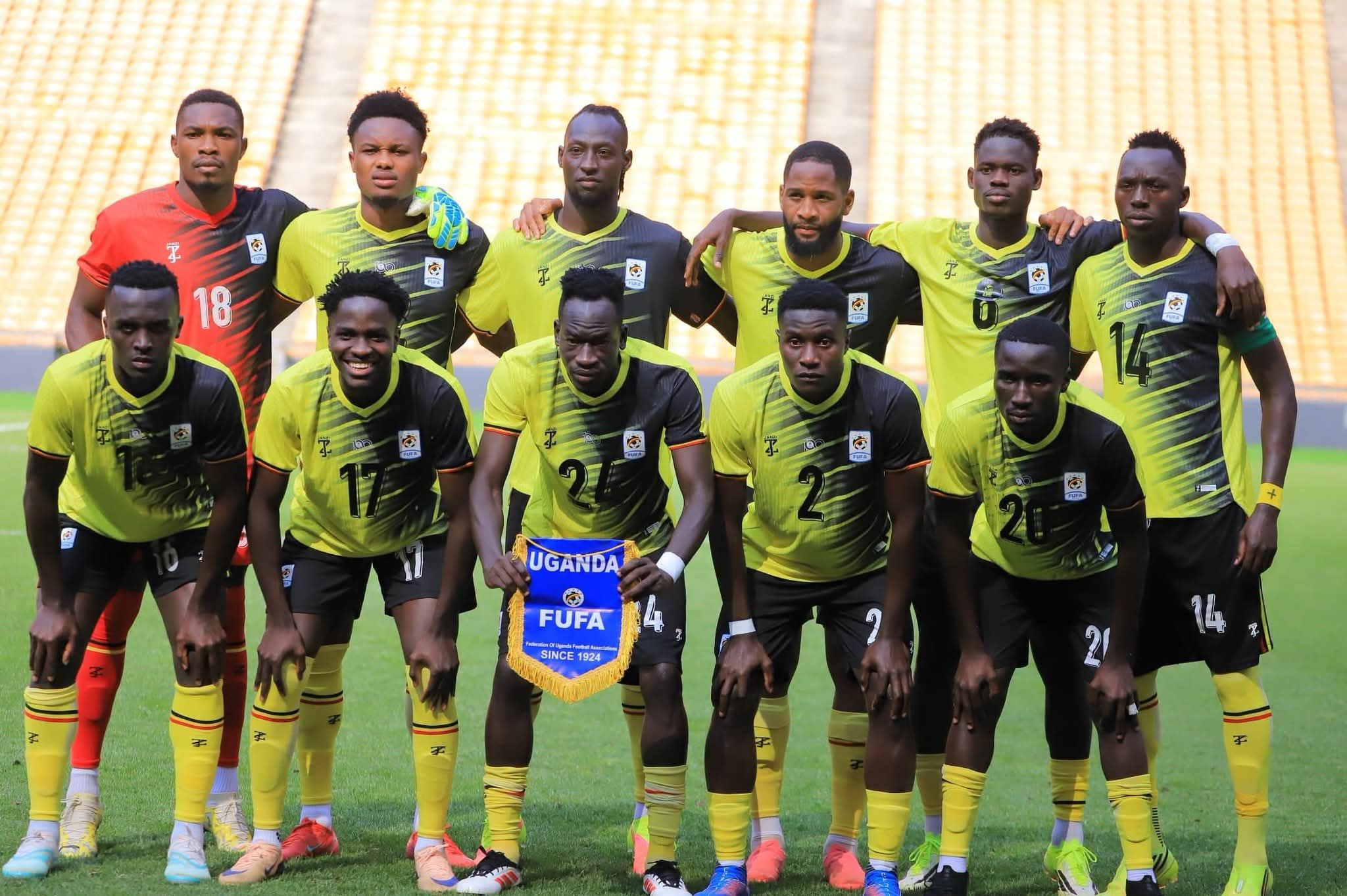
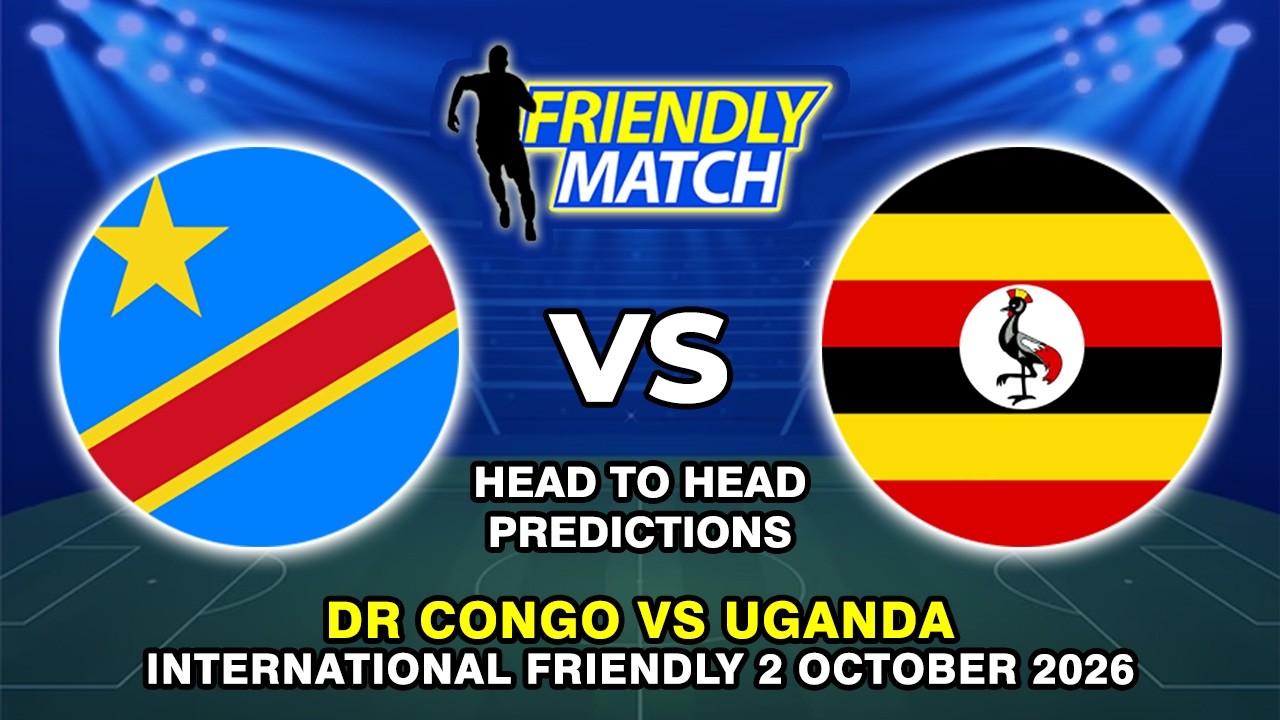
Uganda and DR Congo open a two-match friendly series at Johannesburg’s FNB Stadium on Friday, October 2, with the Cranes testing their depth after a 1-0 win over Libya and DR Congo arriving off two recent qualifying victories. The useful pre-match question is not simply which side has the stronger recent scoreline: it is whether Uganda can preserve their defensive compactness without several regulars, and whether DR Congo can turn possession or pressure into clear chances. The match is scheduled behind closed doors, and rotation makes any forecast less certain than the recent results alone suggest.
Uganda vs DR Congo: Form Signals
DR Congo’s recent competitive record gives them the more forceful attacking signal. They beat Equatorial Guinea 2-0 on September 24 and Zimbabwe 2-1 on September 28. Those three goals across two qualifiers point to a side producing results in meaningful matches, although the available pre-match information does not provide shot or chance-quality data to show how repeatable that output is.
Uganda’s latest competitive results are narrower: a 1-1 draw with Tunisia on September 24 followed by a 1-0 victory over Libya on September 29. The Cranes have four points from their opening two AFCON qualifying matches. The supplied form summary says they conceded once and scored twice across their last five competitive outings. That makes their defensive record a credible signal, but their modest goal return puts more weight on whether they can threaten quickly after winning the ball.
For this preview, the contrast matters more than a simple form ranking. DR Congo have scored more in their latest two competitive games; Uganda’s recent pattern has been lower-scoring and difficult to break down. If the Cranes maintain short distances between their lines, the match could stay close. If DR Congo find space behind Uganda’s midfield, the recent scoring difference may become more significant.
Uganda’s Shape Without Regulars
Coach Paul Put is using the Johannesburg fixtures to assess options ahead of the 2027 AFCON qualifiers. Captain and goalkeeper Denis Onyango is among four notable absentees, alongside defender Abdu Aziz Kayondo, right-back Nathan Asiimwe and midfielder Noble Okello. Their absence changes the personnel available for the defensive spine and wide coverage, so the Cranes’ compactness cannot simply be assumed from their recent results.
Uganda travelled with goalkeepers Hannington Ssebwalunyo, David Lukwago, Kingdom Osayi and Akpan Udoh. The squad also includes recently added heritage players Abdoulaye Sissako, Souleymane Diaby, Gaucho Debohi Dieudonne and Kelvin Boateng, plus Toto Majub Brian and Sadam Masereka. Those names mark the friendly’s purpose: Put can test combinations, but a new goalkeeper or altered back line could affect communication and the timing of defensive shifts.
The Cranes’ practical test is to stay compact without becoming so deep that they lose an outlet. Their 1-0 Libya win shows they can secure a result with limited scoring, while the 1-1 against Tunisia offers another recent example of a close contest. Against DR Congo, a clean first pass after a regain may be as important as the initial tackle.
DR Congo’s Transition Threat
DR Congo have the stronger recent evidence for chance creation in the form of their 2-0 and 2-1 wins, but public pre-match data is limited on their likely lineup, individual contributors and tactical setup. No named DR Congo players or coach are supplied in the available match information, so it would be misleading to assign the threat to specific attackers or predict a formation.
Instead, the clearest tactical indicator will be how quickly DR Congo attack when Uganda’s shape is unsettled. The Congolese side’s recent goals support treating their forward output as a positive signal, not proof that they will dominate this friendly. If Uganda’s replacements hold their positions and limit central gaps, DR Congo may have to build more patiently. If the Cranes lose the ball while advancing, the space left behind could give the visitors a route to goal.
Friendly Rotation and Outlook
The October 2 meeting is the first of two games, with the second scheduled for Monday, October 5. That short turnaround gives both staffs a reason to distribute minutes and compare combinations. Uganda’s confirmed omissions make the uncertainty especially concrete; available information does not identify DR Congo’s planned rotation. A forecast should therefore give recent competitive form less weight than it would in a qualifier.
The strongest pre-match read is a contest between DR Congo’s recent scoring production and Uganda’s defensive resilience. DR Congo have won their last two listed qualifiers, while the Cranes have taken four points from two and conceded once across their last five competitive matches. This analysis points toward a narrow, controlled game if Uganda’s reorganised defence stays connected; their best route to an upset or draw is likely to pair that compactness with sharp transitions. Lineups and early defensive spacing should be the first checks before treating either trend as decisive.
Research references
These sources were checked while preparing this ScorePoint AI analysis.