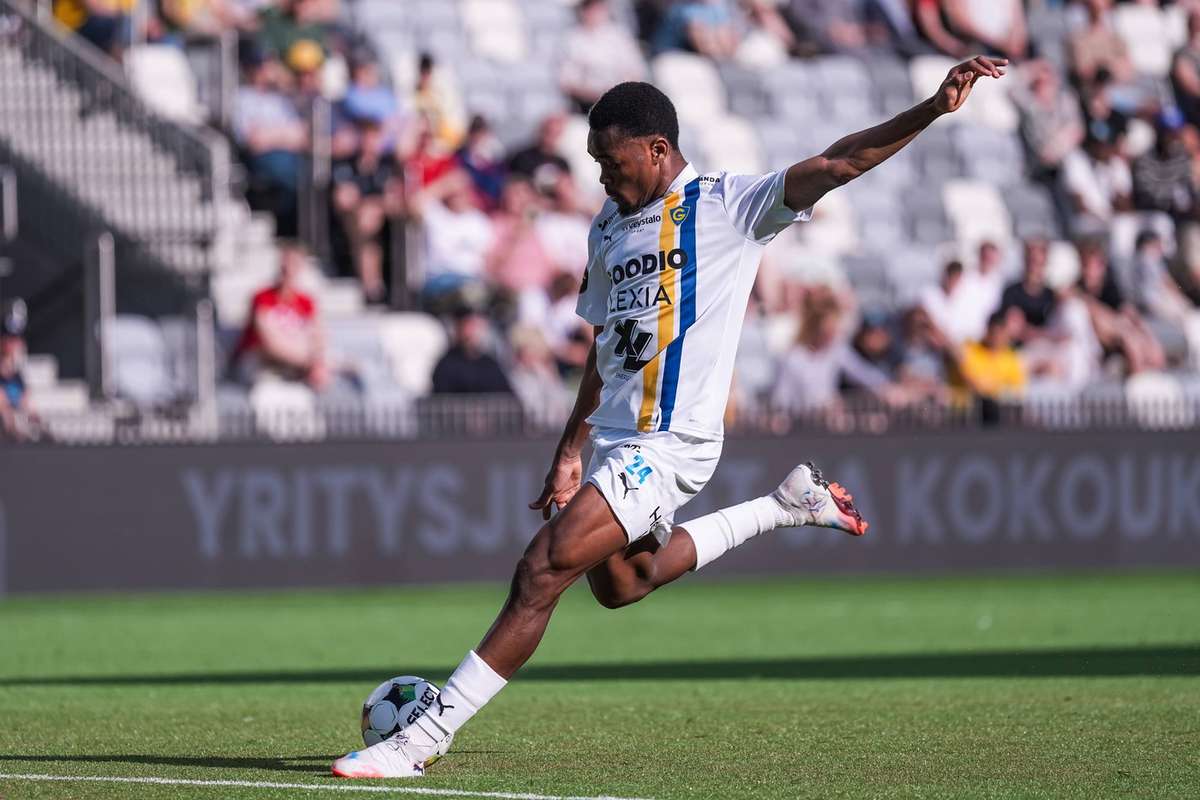
Union SG 3-3 Bodø/Glimt: Champions League Recap
Union Saint-Gilloise and Bodø/Glimt drew 3-3 in a six-goal Champions League qualifier. Here is what the pre-match signals reveal.
Union Saint-Gilloise drew 3-3 with Bodø/Glimt in a six-goal Champions League qualifying thriller, a result that validated the pre-match model’s central warning: two in-form teams were more likely to create an open game than a controlled first leg. The draw leaves the tie perfectly balanced and turns the return meeting at Aspmyra into a decisive test of defensive discipline.
Union SG 3-3 Bodø/Glimt
The scoreline reflected the profile of both sides rather than a single-match upset. Union arrived with five straight wins in its recent form sequence, including a 2-1 victory over LOSC, a 4-0 win against FCSB and a 7-0 success over Diegem. Bodø/Glimt brought an equally strong run: five consecutive league victories, with wins over Lillestrøm 4-0, Sandefjord 3-0, HamKam 3-0, Fredrikstad 1-0 and KFUM 2-0.
That combination created a high attacking baseline before kickoff. Union had scored 18 goals across the five listed results, while Bodø/Glimt had scored 13 and conceded none. A 3-3 draw therefore looks less like a statistical outlier and more like the attacking side of two teams whose recent defensive records were not tested by an opponent of comparable European intensity.
Pre-match model signals explained
The most important signal in the preview was not a simple winner selection. It was the clash between Union’s home advantage and Bodø/Glimt’s competitive rhythm. Union was still building toward the Belgian league season, while Kjetil Knutsen’s Bodø/Glimt were already deep into their Norwegian campaign. After 15 Eliteserien rounds, the Norwegian club had 35 points, 37 goals scored and only 11 conceded.
That context helps explain why the match became a risk-heavy exchange. Union had the recent momentum and attacking confidence to challenge Bodø/Glimt, but the visitors had the sharper match fitness and a settled competitive routine. When those signals point in opposite directions, a model should increase the probability of a narrow margin or draw rather than force a strong home-or-away conclusion.
The six-goal total also underlines a key prediction lesson: clean-sheet form can be misleading when the opponent’s attacking level changes. Bodø/Glimt’s four straight domestic clean sheets were impressive, but they did not guarantee the same control against Union. Conversely, Union’s 4-0 win over FCSB showed its capacity to punish defensive errors, but did not remove the transition threat posed by a side coached by Knutsen.
Tactical risk shaped the draw
Both teams had incentives to attack. This was the first leg of a League Path tie in which every goal would influence the second match, yet neither side could treat a home or away draw as a complete solution. Union needed to make its temporary home setting count, while Bodø/Glimt had the confidence of a team leading its domestic league and arriving with five wins from five.
That tension produced the defining tactical risk: committing numbers forward created chances but also exposed space after turnovers. At 3-3, neither side found the late control needed to convert attacking pressure into a winning margin. The recap should therefore be read as a warning about game state, not simply as evidence that both defences failed. Once the match moved into an exchange of goals, protecting the draw became difficult without surrendering the initiative.
Union’s squad context also deserves attention. Goalkeeper Hervé Koffi had recently joined on loan from Lens with an option to buy, adding experience to the club’s defensive planning, while winger Anan Khalaili had been linked with a major transfer. Those details matter to future models only when confirmed through line-ups and minutes; public pre-match information did not provide enough detail to assign either player a decisive role in this match.
What the return leg changes
The 3-3 result leaves the second leg at Aspmyra with no meaningful margin for passive football. Bodø/Glimt’s home environment and mid-season rhythm should remain important inputs, but the first leg has reduced the value of relying on its earlier clean-sheet sequence. Union, meanwhile, has proved it can score against a side that had conceded only 11 league goals in 15 matches.
- Track defensive volatility: six goals in the first leg should carry more weight than either team’s earlier clean-sheet streak.
- Recheck line-ups: the public preview data did not include confirmed starters, so player availability and goalkeeper selection could materially shift the model.
- Respect the draw signal: when form, fitness and venue indicators conflict, a balanced outcome can be the most data-consistent conclusion.
For ScorePoint AI readers, this match is a useful model case. The best analysis is not judged only by whether it names the winner; it should identify where the underlying signals disagree. Union Saint-Gilloise 3-3 Bodø/Glimt showed exactly that: strong attacking form on both sides, contrasting calendar strength and enough tactical risk to overwhelm defensive trends. The practical outlook is clear—future predictions should prioritise confirmed line-ups, first-leg game-state data and whether either coach adjusts the press or protects the space behind it.
Research references
These sources were checked while preparing this ScorePoint AI analysis.