FC København 3-2 Lyngby: Late Drama in Superliga
FC København edged Lyngby 3-2 in a five-goal Superliga opener, with pre-match model signals and late-game risk shaping the result.
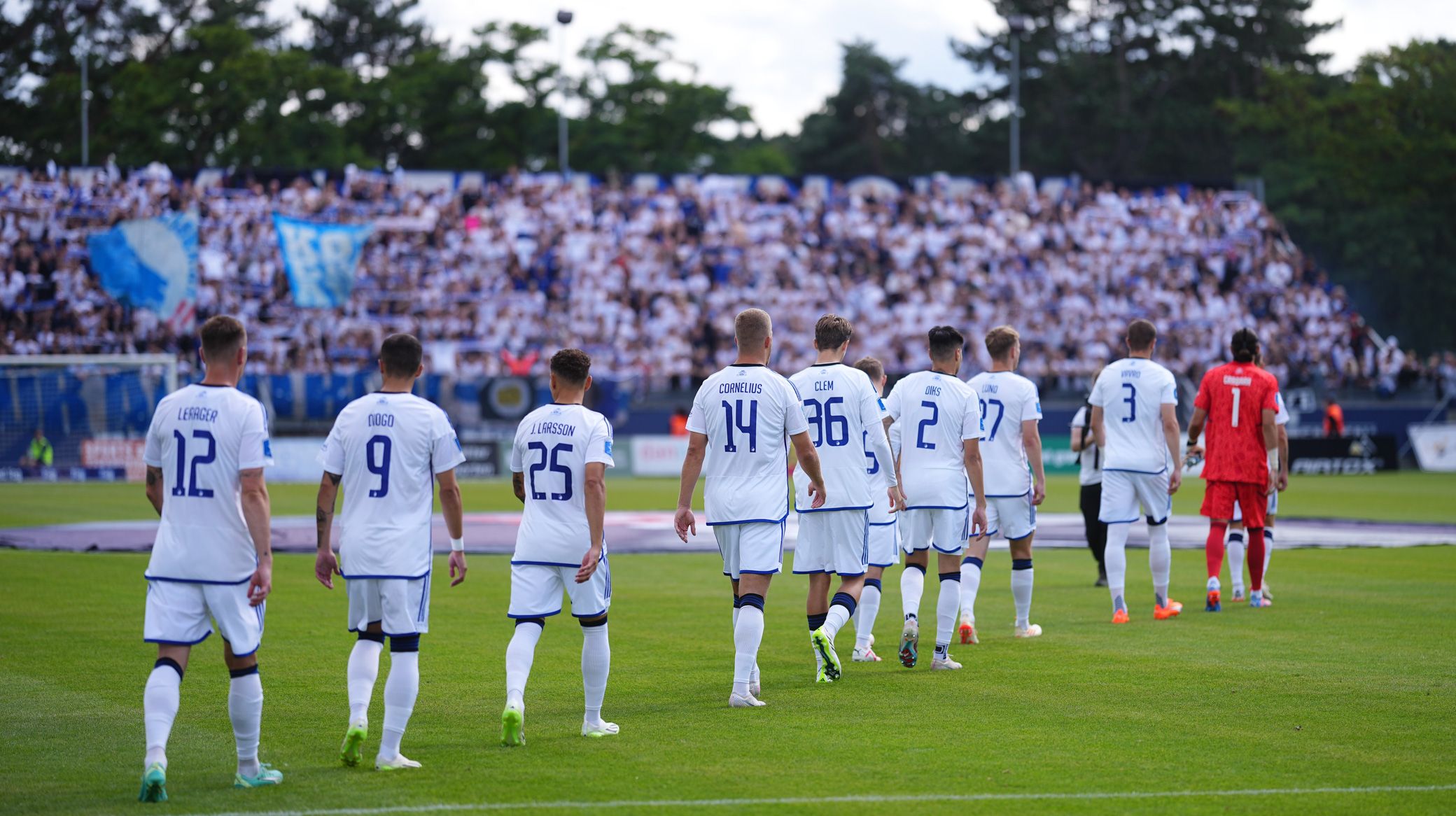
FC København beat Lyngby Boldklub 3-2 in a Superliga opener that matched the pre-match data for volatility: goals at both ends, a narrow margin, and a finish decided by late-game risk rather than control. The final line was messy, but the underlying picture was clear. København had the stronger attack, Lyngby carried enough threat to make the match unstable, and the result followed the kind of open script that ScorePoint AI readers should expect when a home favourite enters with heavy attacking form but recent defensive questions.
København’s edge
København finished with 58.1% possession and 6 shots on target from 12 attempts, while Lyngby managed the same 6 shots on goal from 21 attempts. That split matters. København were more selective and more efficient; Lyngby were more aggressive but less clean in the final action. The hosts also won 5 corners to Lyngby’s 5, with the save count landing at 2 for København and 3 for Lyngby, reinforcing a game that stayed alive because neither side could fully shut the door.
The pre-match model signals pointed toward exactly this kind of contest. København had scored 14 goals in their previous five matches and had scored at least twice in seven straight meetings with Lyngby. Their recent domestic pattern also included a 5-0 win over Randers and a 4-0 win at Silkeborg, but there was defensive fragility in the background after a 3-3 draw at FC Fredericia and a 3-3 draw away to Polissya Zhytomyr in UEFA Conference League qualifying. That mix of firepower and leakage is how a 3-2 result becomes more likely than a comfortable clean sheet.
Lyngby’s pressure
Lyngby deserve credit for making the game uncomfortable. They took 21 shot attempts, only nine fewer than København despite having 41.9% possession, and stayed within one goal until the finish. That is consistent with the pre-match view that their scoring form and attacking structure could trouble a bigger opponent. The public data before kick-off was limited on their squad specifics, but the market read was clear enough: this was not a passive underdog.
The more important takeaway for the recap is tactical risk. Lyngby were willing to keep numbers forward, and that created the conditions for a five-goal match rather than a cagey opener. In a game like FC København vs Lyngby Boldklub, that kind of ambition can generate value, but it also exposes a newly promoted or underdog side to transitions and second-phase chances. Their 15 fouls to København’s 14 and two yellow cards apiece show how often the game drifted into broken rhythm.
Jordan Larsson’s form
Jordan Larsson remains one of the clearest individual signals in this Copenhagen attack. His recent run included a 3-1 win at Brøndby on 21 May, a 5-0 home win over Randers on 17 May, and a 3-3 draw at Fredericia on 3 May, where he scored once. Across those last five matches in the ESPN sample, he posted 3 goals and 4 assists, with a 2-goal, 2-assist outing against Randers standing out as the peak of København’s summer attacking ceiling.
That form explains why the model was reluctant to fade København even with defensive noise attached. When a side is producing that level of final-third output, the question becomes less about whether they create and more about whether they can survive the opponent’s response. In this FC København 3-2 Lyngby Boldklub recap, Larsson’s profile is central to the read: efficient chance creation, direct finishing, and enough match control to keep the home side ahead in a game that never fully settled.
It is also why the result matters beyond the scoreline. København did not need perfection to win; they needed enough attacking quality to outlast the game state. That is the exact kind of matchup ScorePoint AI should flag in future preview work when high-output home favourites meet opponents willing to trade chances.
What the model learns
This recap is useful because the result reinforced several pre-match indicators rather than overturning them. The model had reason to expect goals because København were in a strong scoring run, Lyngby were set up to play openly, and both teams had enough attacking traction to create pressure. The final 3-2 scoreline was not an outlier; it was a live version of the pre-match read.
- Shot profile: Lyngby’s 21 attempts showed intent, but København’s 6 shots on goal from 12 attempts were the cleaner threat.
- Game state: A one-goal margin kept the contest unstable deep into the second half.
- Form carryover: København’s recent 5-0 and 4-0 wins confirmed attack quality, while the earlier 3-3s flagged defensive risk.
- Player signal: Jordan Larsson’s goal-and-assist profile remains one of the strongest individual inputs for future FC København analysis.
For readers tracking future picks, the practical outlook is straightforward. FC København remain a strong attacking reference point in the Danish Superliga, but their matches are not automatically low-risk on the total-goals side. Lyngby, meanwhile, showed enough shot volume to stay relevant in models that reward active underdogs. This FC København 3-2 Lyngby Boldklub recap should push the next preview toward expected goals, shot volume, and game-state volatility rather than reputation alone. For a similar model-driven read, see Champions League Qualifying Data Watch: Tuesday Signals.
Research references
These sources were checked while preparing this ScorePoint AI analysis.