FC Midtjylland 2-2 Nordsjælland: Superliga Recap
FC Midtjylland and Nordsjælland drew 2-2 in the Superliga. Here is what the result reveals about model signals, tactical risk and future picks.
FC Midtjylland 2-2 Nordsjælland was a result that matched the pre-match data more closely than the league table might have suggested. Midtjylland entered the fixture with the stronger recent record, while Nordsjælland carried the more aggressive possession profile and a competitive head-to-head history. The 2-2 draw reflects that tension: Midtjylland’s efficiency and defensive record against Nordsjælland’s volume, control and willingness to expose space.
The available match record confirms the score but does not provide verified scorers, timestamps, possession or shot totals for this specific meeting. Those details should not be invented. The useful analysis, therefore, comes from the supplied pre-match data and the tactical risks it identified.
Superliga Model Signals
Before the match, the statistical baseline favoured Midtjylland on consistency. Across the previous 10 matches, the Central Jutland side had recorded six wins, two defeats and two draws, averaging 2.1 goals from 12.8 attempts. Their defensive numbers were also strong: 0.8 goals conceded per match from an average of 11.6 opposition attempts.
Nordsjælland’s profile was less stable but more possession-heavy. The Tigers had posted five wins and five defeats in the same sample, averaging 1.5 goals from 12 attempts while conceding 1.3. They averaged 57.7% possession and 619.8 passes per match, compared with Midtjylland’s 55.2% possession and 456.7 passes.
That split matters for an AI prediction model. Midtjylland offered the better result floor, while Nordsjælland created a stronger case for an open match. A 2-2 draw sits between those signals rather than contradicting them.
Why 2-2 Fits the Matchup
The tactical risk was clear in the numbers. Nordsjælland’s high passing volume points to a team comfortable building through sustained possession. That approach can pin opponents back, but it also requires defenders and midfielders to manage transitions when attacks break down.
Midtjylland’s lower passing volume and stronger scoring efficiency suggested a different route to danger: fewer exchanges, quicker progression and a greater emphasis on turning limited attacking sequences into shots. Their average of 5.3 shots on target in the supplied sample was marginally higher than Nordsjælland’s 5.3 listed average, but Midtjylland converted its overall attacking output more reliably.
That combination helps explain why the match avoided a clear winner. Nordsjælland had the profile to control territory, while Midtjylland had the profile to punish an opponent that overcommitted. The result was not simply a failure of the favourite signal; it was a warning that possession dominance and defensive security were pulling in opposite directions.
Head-to-Head Adds Context
The broader rivalry also argued against an overly confident home-side forecast. In the previous 10 meetings, Nordsjælland had won four, Midtjylland had won three and three had ended level. The most recent listed meeting was a 1-0 Nordsjælland victory at Right to Dream Park.
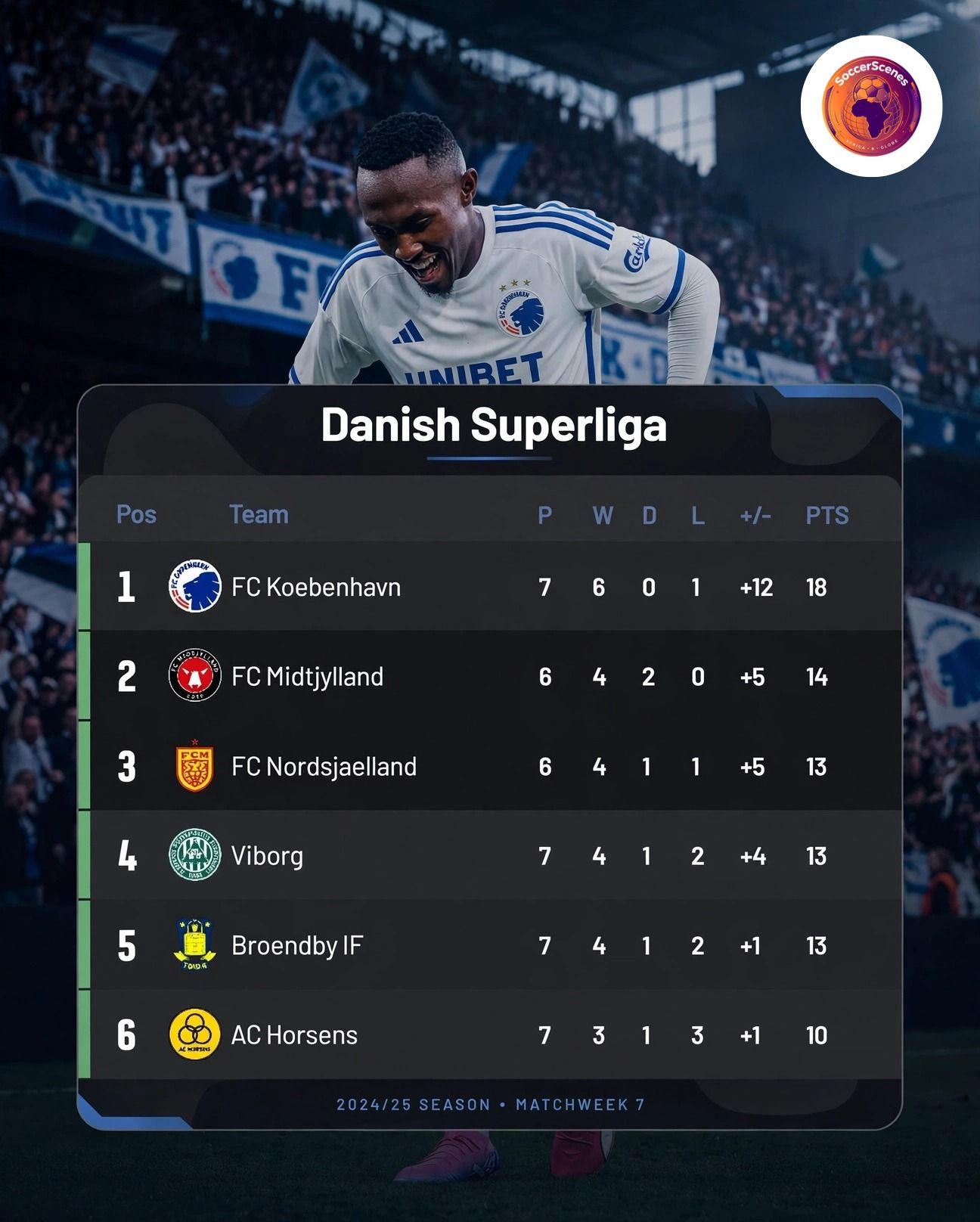
The supplied six-match standings snapshot showed Midtjylland second with 14 points and Nordsjælland third with 13. Both teams had four wins in that shorter sample, with Midtjylland adding two draws and Nordsjælland one draw and one defeat. The narrow points gap reinforced the idea that this was a matchup between closely matched sides, not a straightforward leader-versus-outsider fixture.
Player-level data also pointed to two distinct attacking threats. Midtjylland’s leading scorer in the sample was Franculino with six goals, while Aral Simsir led the team’s assists with five. For Nordsjælland, Alexander Lind had three goals, and Prince Junior, Caleb Yirenkyi and Juho Laehteenmaeki each supplied two assists. Those figures support a model that expects both teams to retain credible routes to scoring.
What Future Predictions Should Track
The main lesson from this recap is to avoid treating Midtjylland’s stronger win rate as an automatic signal for a one-sided result. Future predictions should separate three variables:
- Midtjylland’s efficiency: whether Franculino, Simsir and the supporting attack continue converting a relatively controlled chance volume.
- Nordsjælland’s possession risk: whether the Tigers’ 57.7% possession and 619.8 passes produce quality chances or simply territorial control.
- Game-state behaviour: whether either side protects a lead or continues attacking with the same risk level after scoring.
For ScorePoint AI readers, the practical takeaway is that this 2-2 result should increase interest in goals-based projections when the underlying profiles remain similar. It should not erase Midtjylland’s stronger defensive and results data, but it does show why a balanced model must account for Nordsjælland’s possession, head-to-head resilience and ability to turn an open tactical contest into a high-scoring draw.
Research references
These sources were checked while preparing this ScorePoint AI analysis.