PSG vs Arsenal Fallout: Summer Transfer Market Impact
PSG’s Champions League triumph and Arsenal’s penalty heartbreak are already reshaping the summer transfer market, with a €345 million rebuild looming.
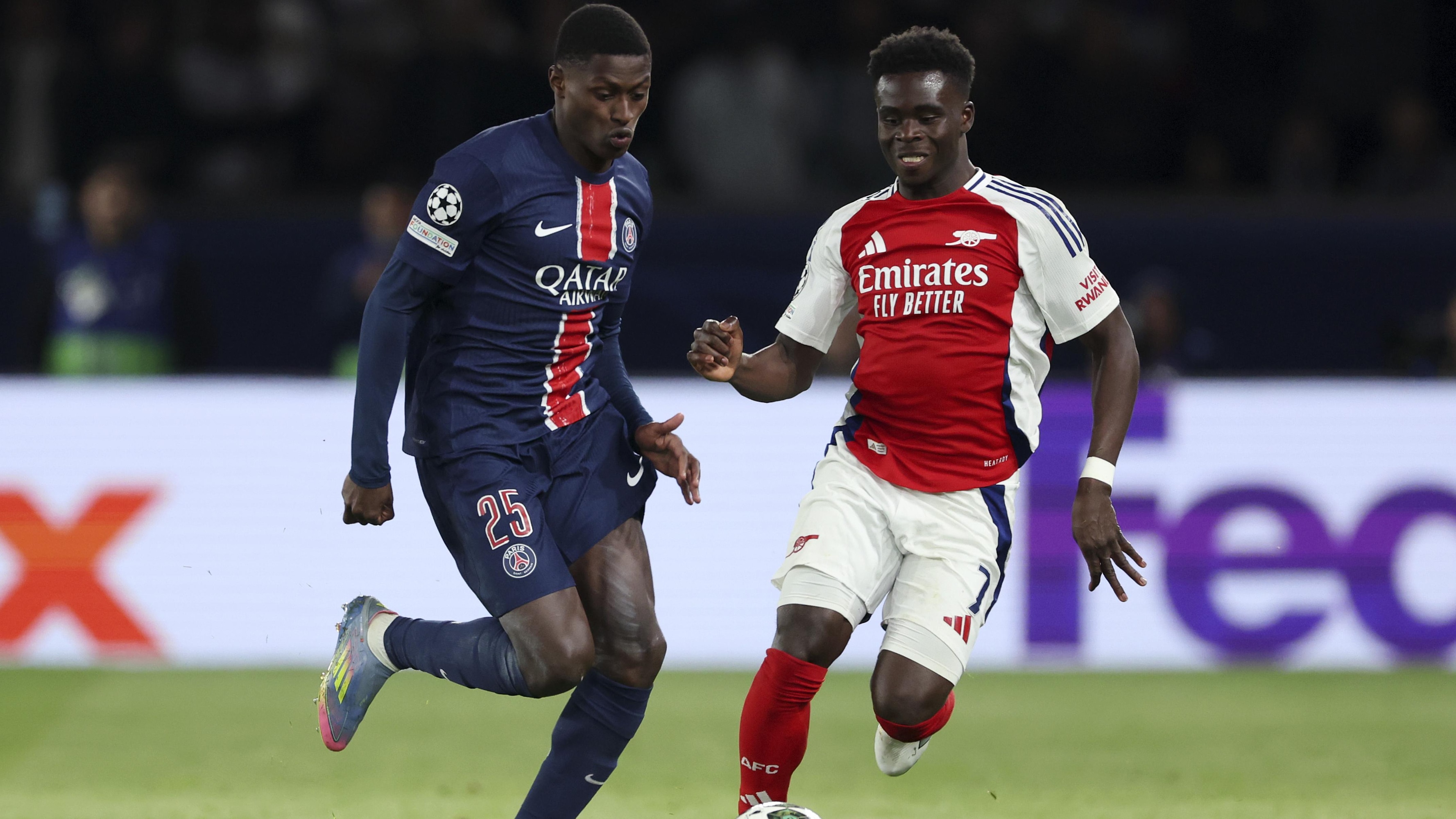
Paris Saint-Germain’s 4-3 penalty shootout win over Arsenal in the 2025/26 Champions League final did more than decide Europe’s biggest prize. It created a transfer-market shockwave that will ripple through two of the continent’s richest squads all summer. PSG now have back-to-back Champions League titles and the aura of a team building a dynasty under Luis Enrique, while Mikel Arteta’s Arsenal are left to turn a painful final defeat into an expensive response.
PSG’s title changes leverage
For PSG, the final in Budapest confirmed that the project built around Luis Enrique has crossed from ambition to authority. Winning the Champions League once is difficult enough; doing it again immediately, via a shootout against Arsenal after a 1-1 draw, changes how the market views the club. The French champions can now recruit from a position of strength, offering not just salary power but the promise of joining the reigning European standard-bearers.
That matters because elite recruitment often follows success. Players who might once have viewed PSG as a glamour destination with question marks now see a side that just eliminated Arsenal in the final and defended its crown. The result also strengthens Luis Enrique’s hand in negotiations for squad depth, because any new signing knows the current core has already delivered on the biggest stage. In practical terms, PSG’s transfer pitch this summer is much simpler: join the team everyone else is chasing.
Arsenal’s €345m rebuild
The clearest immediate fallout from the final is in North London. Arsenal intend to spend €345 million on transfers after the defeat, with €200 million already allocated to two targeted additions: Morgan Rogers from Aston Villa and Eli Kroupi from Bournemouth. A further €145 million has reportedly been set aside for defensive and midfield reinforcements, but only if the club recoups roughly €115 million through sales.
That is a major statement from a board responding not to crisis, but to a near-miss. Arsenal finished first in the Premier League with 85 points and reached the Champions League final for only the second time in their history, matching the 2006 run that ended in a 2-1 loss to Barcelona. Yet the gap exposed by PSG in the final has sharpened the club’s recruitment brief. The target list is specific: a second striker, a left winger, a number six, an eight, and a right back.
This is why the final matters so much for the summer transfer market. Arsenal are not rebuilding from failure in the league; they are investing from a position of strength because a team that won the Premier League and still fell short in Europe needs marginal gains in several positions. The result against PSG turned those marginal gains into a multi-window-scale project.
The tactical lesson from Budapest
The match itself explained the market response. Arsenal’s structure kept them alive long enough to force penalties, but PSG’s greater attacking depth proved decisive over 120 minutes. That was the same underlying theme highlighted in pre-final analysis: Arsenal’s defense could frustrate PSG, but the French side carried more match-defining talent. In the end, Ousmane Dembélé’s goal and PSG’s shootout composure tilted the night, with Kai Havertz also getting on the scoresheet for Arsenal before penalties settled it.
For transfer planners, that kind of final is instructive. Arsenal need not only more quality, but more versatility. A striker such as Eli Kroupi would add a different profile up top, while Morgan Rogers is a direct answer to the need for creativity and ball-carrying between the lines. If the club adds the right back, number six and central midfielder already discussed internally, the squad should become less dependent on isolated moments from Bukayo Saka or Declan Rice in the biggest European games.
The result also underlined why the Gunners’ margin for error in a long season is so thin. Their Premier League title showed consistency over 38 matches; PSG showed that in a final, individual quality can decide everything. That tension shapes the entire summer analysis of Arsenal’s market: spend heavily, or risk another season where one match exposes what the league table could not.
PSG’s squad-building edge
Back-to-back European titles give PSG a very different kind of shopping list. Instead of needing wholesale changes, they can focus on selective upgrades and contract certainty. Luis Enrique is widely expected to extend his deal until 2030, a move that would cement continuity just as the club tries to convert success into a long-term dynasty.
That continuity matters because PSG have now proven they can win the biggest game under pressure. It also improves their position in the market for players who want immediate contention rather than a longer project. With the Champions League trophy in hand for the second straight year, PSG can target the sort of elite depth pieces that keep a title defense alive deep into spring. The final’s outcome did not just crown them; it raised their stock.
Arsenal, by contrast, must sell the idea of progression. Their pitch will lean on a Premier League title, a second Champions League final, and a clear tactical identity under Arteta. But when PSG have just beaten them on penalties after a tight European final, the recruitment battle becomes more aggressive. Every negotiation from here is framed by one question: can Arsenal buy the extra quality needed to close the gap to the champions?
Market ripple effects
The broader summer transfer market rarely ignores a Champions League final. PSG’s win strengthens the Premier League-to-Paris and Ligue 1-to-Paris gravitational pull, while Arsenal’s response may raise valuations across several positions. If the Gunners pursue a second striker, a left winger, a number six, an eight and a right back simultaneously, rival clubs will know they are dealing with an urgent buyer, not a patient one.
- Morgan Rogers becomes a priority because Arsenal want creativity and carrying power in advanced midfield areas.
- Eli Kroupi fits the need for another striker after a final that exposed how narrow the margin is against elite opponents.
- Defensive and midfield targets will likely become more expensive as Arsenal try to fill multiple gaps in one window.
- PSG’s status as consecutive champions makes them a magnet for players seeking medals and short-term certainty.
That dynamic is exactly why the PSG vs Arsenal final will be remembered beyond the 1-1 scoreline and 4-3 shootout. It did not just settle a trophy; it reset the bargaining power of two of Europe’s biggest clubs.
For readers tracking how this transfer analysis evolves, ScorePoint AI can help connect results to squad-building trends. Explore our AI predictions for upcoming matches and use our AI assistant to dig deeper into team needs, player fits, and market implications.
Conclusion
The fallout from PSG vs Arsenal is simple in one sense and complicated in another. PSG’s back-to-back Champions League titles have elevated their recruitment pitch to the highest level, while Arsenal’s final defeat has triggered a €345 million response designed to bridge the last step from domestic champions to European winners. The summer transfer market will now be shaped by both truths: PSG are selling certainty, and Arsenal are buying the missing pieces.