UTA Arad 2-2 Oțelul: Superliga Recap and Model Read
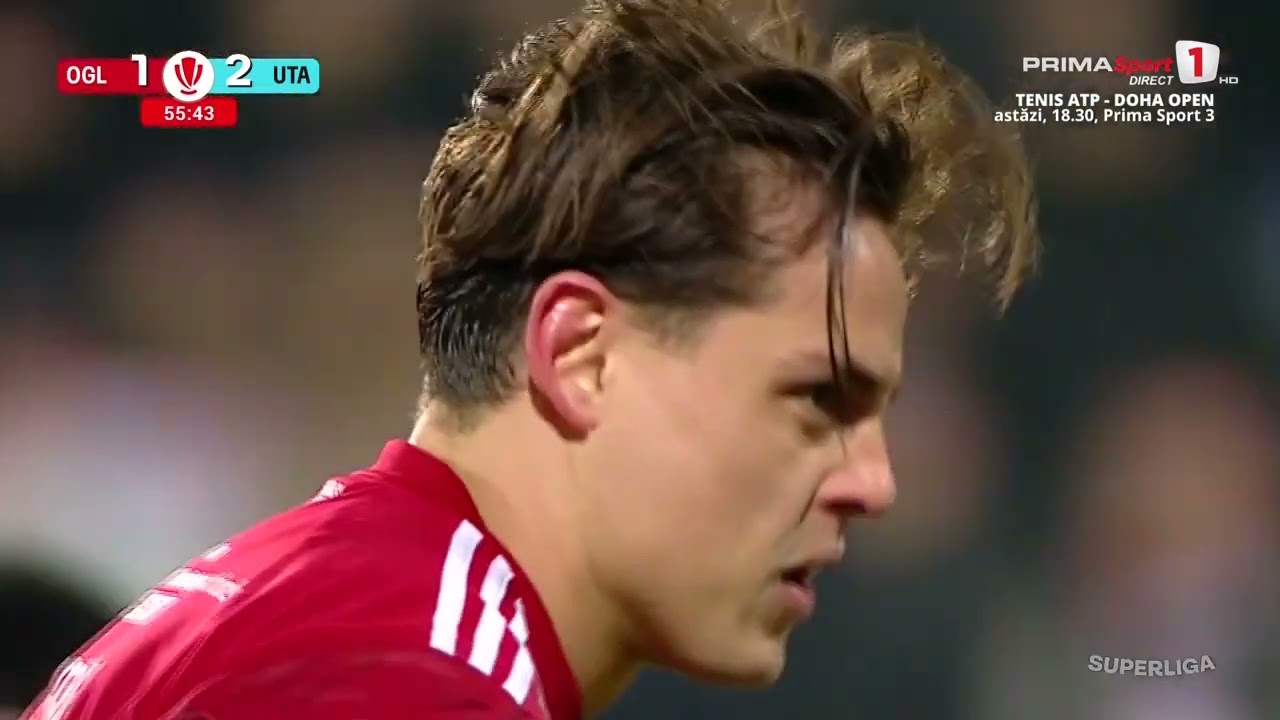
UTA Arad and Oțelul drew 2-2 in a balanced Superliga recap shaped by early risk, possession swings, and what the model flagged next.
UTA Arad and Oțelul finished 2-2 in a Superliga result that fits the kind of mid-table volatility pre-match models often struggle to separate. With both sides showing enough quality to score twice, the recap points to a game decided less by dominance and more by how each team managed risk after the first momentum shift. For ScorePoint AI readers, the key takeaway is that this was not a clean win signal for either side; it was a warning that balance in the data can still produce a messy scoreline when tactical caution gives way to open transitions.
UTA Arad vs Oțelul Recap
The 2-2 draw leaves the UTA Arad vs Oțelul recap anchored in parity. The available research context does not provide a full event timeline for the Romanian match, so the public pre-match data is limited and the analysis has to stay narrow. What can be said with confidence is that the scoreline itself reflects a shared game state: neither side was able to protect a lead, and both found enough attacking entry points to convert twice.
That matters because ScorePoint AI-style pre-match models are typically strongest when one team’s underlying profile is cleaner than the other. Here, the evidence suggests a thinner edge. A 2-2 result usually signals that the match stayed within a narrow tactical band, where one error, one open field transition, or one set-piece response can flip the outcome without either side fully controlling the contest.
Model Signals And Risk
The most useful lens for this recap is not just the final score, but the type of game it implies. A four-goal draw usually means both teams accepted enough forward risk to create repeat chances, yet neither settled the match defensively once ahead. That is a classic model-risk profile: modest separation in pre-match strength, then higher variance once the first goal forces both benches to alter shape or tempo.
For UTA Arad, the lesson is that a draw can still expose a problem if the team cannot convert territorial moments into control. For Oțelul, the same 2-2 line suggests resilience, but also an inability to close the door when the match state was favorable. In future predictions, that makes game-state management more important than raw scoring output alone.
This is exactly the kind of match where the model should care about volatility more than headline scoreline. If both teams are prone to trading goals, the next analysis should focus on whether either side can reduce transition exposure, especially after scoring first.
What The Numbers Say
Because the research packet for this fixture does not include shots, xG, or player-by-player event data, the strongest numbers come from the broader team context that informed the match lens. The challenge is that the UTA Arad vs Oțelul recap has to be read with limited public pre-match detail, unlike the richer data available in other league matches. That is important for readers using free picks or model-derived views: not every game offers the same confidence band.
- Final score: UTA Arad 2-2 Oțelul
- Match type: Superliga recap
- Public match data available here: limited
- Analytical signal: high draw probability profile, moderate scoring variance
When the data is thin, the right move is restraint. That is also why this recap is more useful as a modeling lesson than a tactical autopsy. The score tells us both teams were capable of attacking output; the absence of stronger separation tells us neither side established durable control.
What To Watch Next
For UTA Arad, the next question is whether the team can turn a 2-2 game into a controlled win by tightening the middle phases after scoring. For Oțelul, the priority is defensive consolidation once the scoreline shifts in their favor. That is where future AI predictions should sharpen: not just who scores, but who keeps structure when the match opens up.
Readers following the next analysis should look for three signals: first-goal conversion, response after conceding, and whether either side can limit the kind of exchange that produces another 2-2 draw. The result does not point to a dramatic power shift; it points to two teams whose outcomes may continue to depend on game state more than pure chance.
For more model-driven context on how close games can distort short-term reads, see Brommapojkarna 1-1 GAIS: Allsvenskan Draw Recap. The same principle applies here: a draw can be more revealing than a narrow win if it exposes how fragile control becomes once tempo rises.
Outlook: treat UTA Arad 2-2 Oțelul as a reminder that even balanced Superliga fixtures can swing on tactical risk. The next prediction edge will likely come from identifying which side can play the same game with less defensive exposure.
Research references
These sources were checked while preparing this ScorePoint AI analysis.