Spain vs Belgium World Cup Quarter-Final Preview
Spain’s control meets Belgium’s transition threat in a World Cup quarter-final preview focused on chance creation, shot quality and decisive edge.
Spain’s first knockout-stage win since 2010 — a 3-0 defeat of Austria — set up a World Cup quarter-final that should be decided less by possession share than by who wins the shot-quality battle. Belgium arrive with a different route to danger, having survived Senegal 3-2 in extra time and shown they can punish opponents when the game opens up. This preview is all about style clash: Spain’s control versus Belgium’s transition threat, and which side is more likely to generate the cleaner chances rather than simply hold the ball.
Spain’s control game
Spain’s win over Austria was their most complete knockout display in years. The 3-0 scoreline mattered, but so did the manner of it: Spain controlled territory, dictated rhythm and gave Austria very little room to build momentum. With Lamine Yamal stretching the field, Pedro Porro providing width from deeper areas and Mikel Oyarzabal finishing moves, Spain looked comfortable creating attacks through structure rather than chaos.
That matters in a quarter-final because Spain’s model profile is built on repeatable possession control. They are the side more likely to have the ball, more likely to pin Belgium back, and more likely to sustain field position. But possession alone is not the key metric here. The real question is whether Spain’s circulation can force Belgium’s defensive block to shift enough to create high-value shots, or whether too many moves end in low-probability crosses and blocked attempts.
Belgium’s transition threat
Belgium’s 3-2 extra-time win over Senegal showed the other path to victory: absorb pressure, survive moments, then strike quickly when space appears. That is the danger for Spain. If Spain commit numbers forward and their rest defense is stretched, Belgium have the tools to turn a clean regain into a direct chance before Spain’s shape resets.
The public pre-match data available here is limited, so the analysis has to stay narrow: Belgium’s edge is not volume, it is timing. In this matchup, a few transition sequences may outweigh long spells without the ball. That is exactly why the shot-quality lens is so important. Spain can dominate territory and still lose the more dangerous chances if Belgium’s breaks reach the box with numbers and speed.
Chance creation trends
For the World Cup quarter-final preview, the key trend is that these teams create in opposite ways. Spain’s attacks are more repeatable because they are possession-led and platformed through buildup patterns. Belgium’s are less frequent but more volatile, especially when the game state invites them to counter. In a model-based read, Spain should lead in touches, passes and final-third occupation, while Belgium’s most valuable actions may come from fewer possessions with more direct entry into the box.
- Spain: more likely to control the first pass after regain, set the territorial tone and accumulate shot volume.
- Belgium: more likely to generate isolated, high-leverage transitions if Spain overcommit.
- Deciding factor: which side produces the better average shot location, not who has the prettier possession numbers.
That distinction is the heart of this analysis. Spain can be the more dominant side and still face a tight margin if Belgium’s few breaks are cleaner. Belgium do not need to win possession to win the game; they need to win the moments that turn into the best shots.
Key players to watch
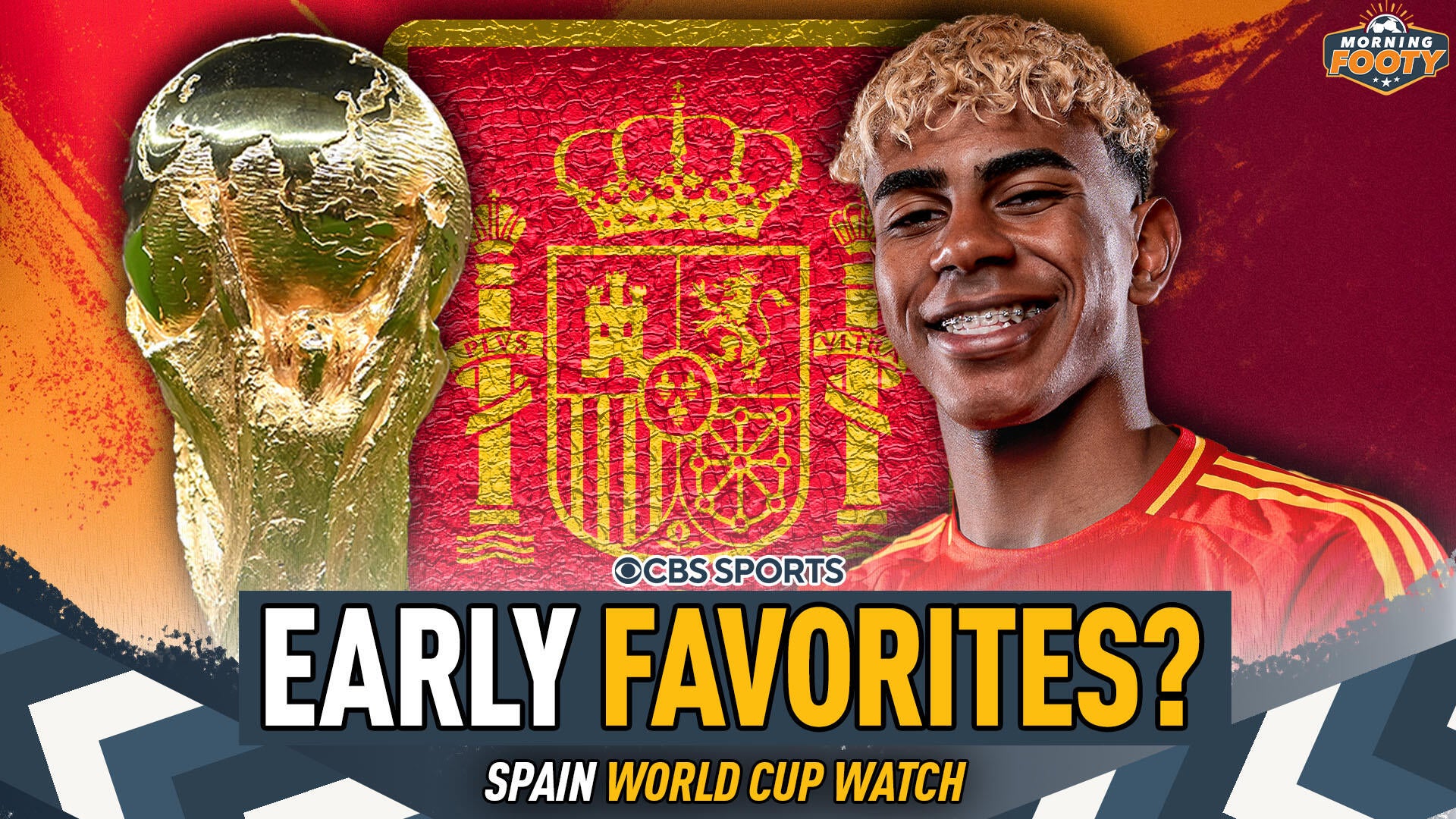
Lamine Yamal is central to Spain’s chance creation because he adds width, pace and the ability to turn controlled possession into a mismatch. Pedro Porro’s role matters too: if he can advance from the back line and keep Belgium pinned, Spain can keep the ball high and compress the game. Oyarzabal’s finishing in the Austria win was another reminder that Spain’s volume only matters when it becomes end product.
For Belgium, the profile is more collective than one-note, but the decisive point is how quickly they can move from regain to shot. The Senegal comeback underlined that they are comfortable in a game with emotional swings and extra-time pressure. Against Spain, they may not see many sustained attacks, so the first and second actions after a turnover become critical.
For a related model read, see World Cup Transitions Could Decide Tomorrow’s Fixtures and Spain vs Austria: World Cup Tactical Preview.
Practical outlook
Spain vs Belgium should be framed as a control-versus-breaks contest, but the sharper edge belongs to the team that wins the shot-quality battle. Spain are likelier to own possession and territory; Belgium are likelier to make the game dangerous when they recover the ball. If Spain can keep their rest defense intact and turn pressure into clean looks, they have the clearer route to victory. If Belgium can force a few broken-field moments, the quarter-final becomes much more balanced than the possession numbers suggest.
The preview takeaway is simple: watch the chance types, not just the total chances. In a match like Spain vs Belgium, the side producing the better shots is the side most likely to advance.
Research references
These sources were checked while preparing this ScorePoint AI analysis.