USA 4-2 Chile: Friendly Recap, Youth and Model Signals
The USA beat Chile 4-2 in St. Louis as Berhalter, Hall, Richards and Albert scored. Here’s what the comeback says about youth, defensive risk and future predictions.
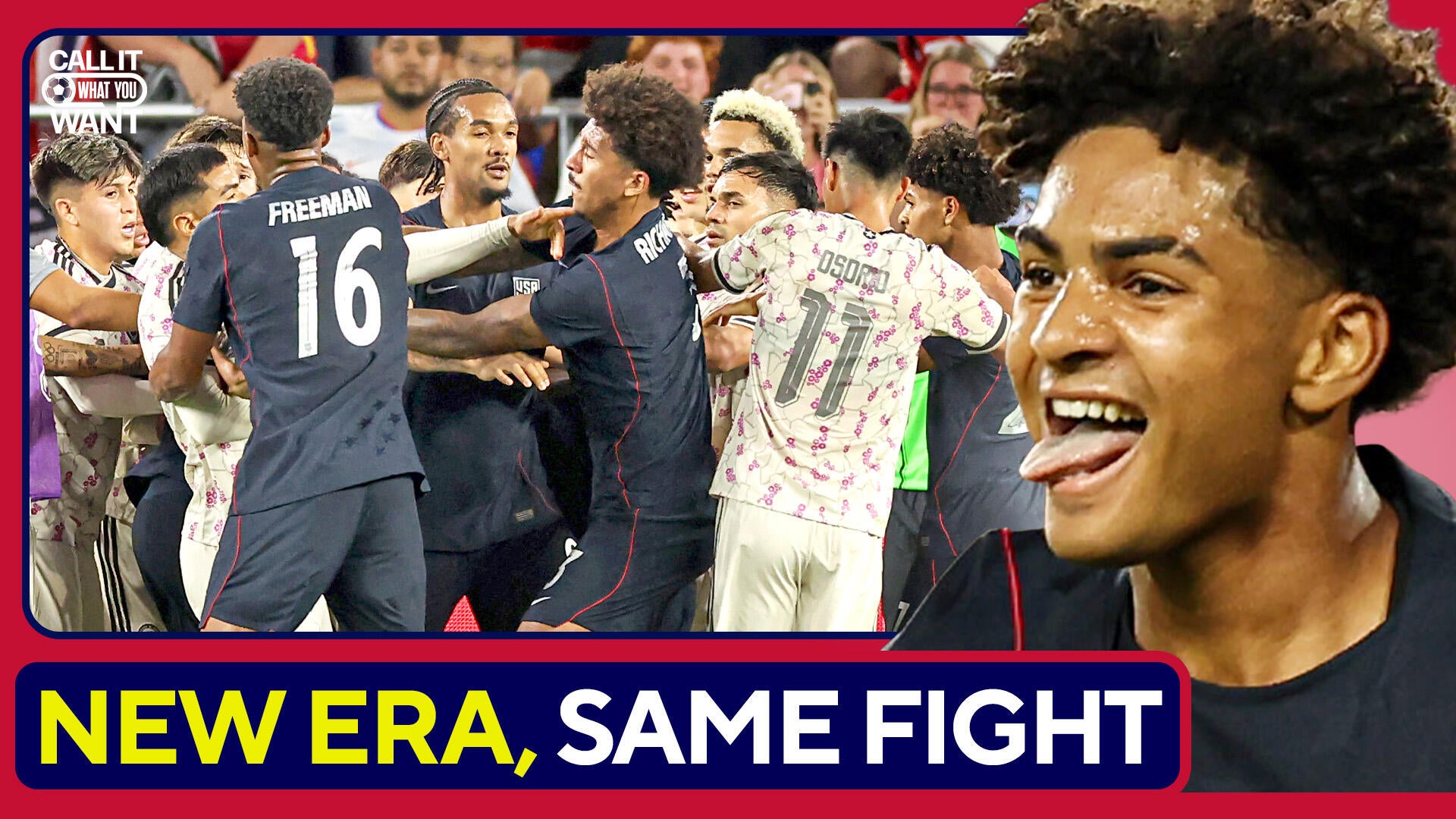
The United States beat Chile 4-2 in St. Louis, turning a volatile friendly into a useful snapshot of both the promise and the risk in Mauricio Pochettino’s young squad. Sebastian Berhalter opened the scoring, then Julian Hall, Chris Richards and Mathis Albert struck after Chile’s Diego Ulloa and Maximiliano Gutiérrez had exposed defensive weaknesses. The comeback made it two straight four-goal wins for the U.S., but the goals conceded matter just as much as the headline result for anyone assessing future predictions.
USA vs Chile: The Match Story
Berhalter put the U.S. ahead in the first half after a combination move that included a clever Hall stepover. Chile responded through Ulloa and Gutiérrez, taking advantage of the Americans’ defensive growing pains and briefly shifting control of the match. Hall restored parity with a header from a Giovanni Reyna cross less than three minutes after Chile went in front. Richards then headed in Berhalter’s corner to put the U.S. ahead, before 17-year-old Mathis Albert scored in second-half stoppage time.
Four different U.S. players scored, and Berhalter finished with a goal and an assist for the second consecutive match. Hall, 18, scored in each of his first two senior appearances. Albert, at 17 years and 131 days, became the youngest scorer in USMNT history. Those are meaningful individual signals, though they don’t erase the fact that Chile found the net twice against a youthful defense.
What the Model Should Read
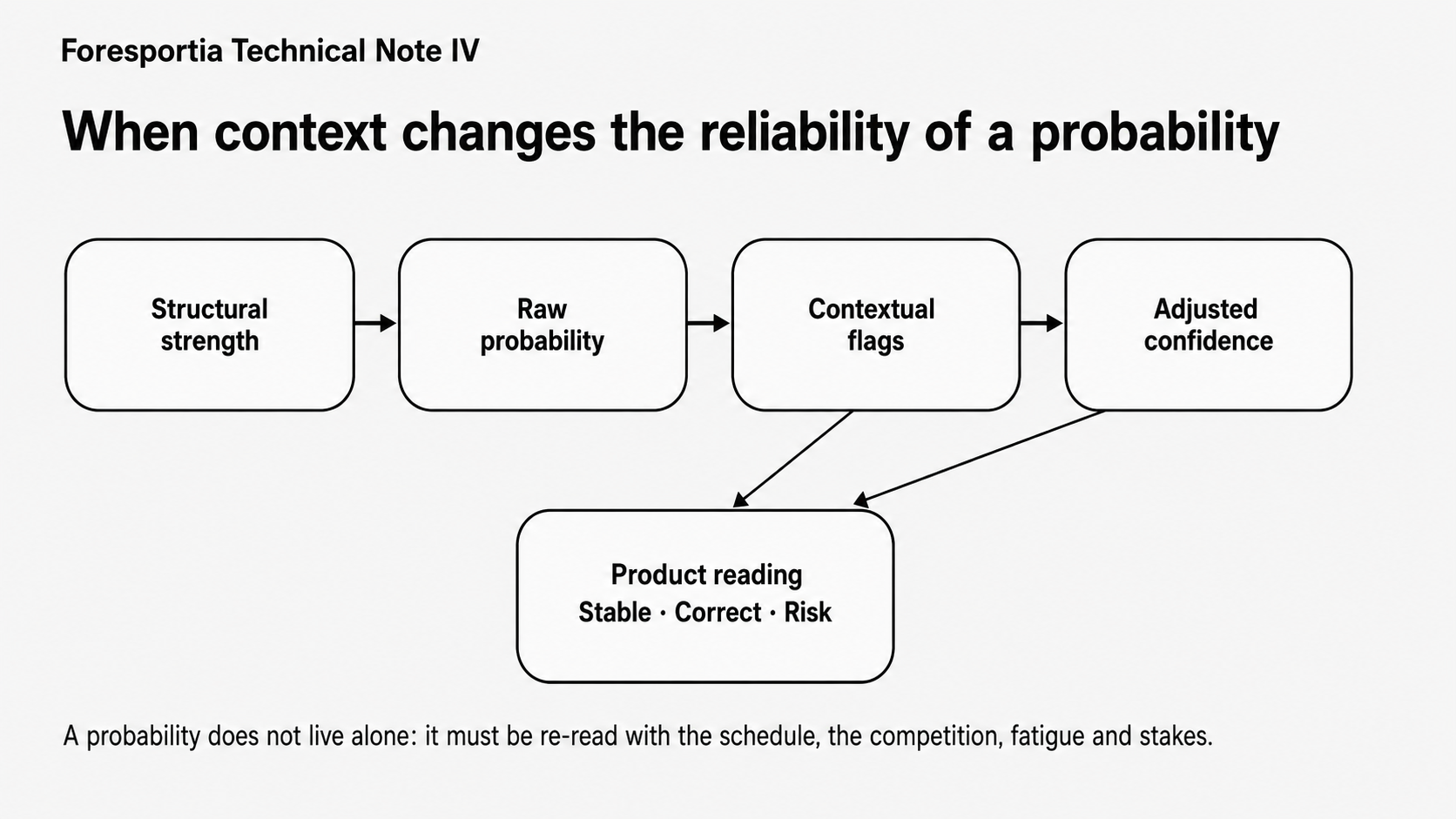
No archived pre-match probability or model output is available here, so it would be misleading to claim a specific forecast called this result. The useful model lesson is about inputs: the U.S. had just beaten Peru 4-1, while Pochettino named his youngest starting lineup in his tenure, averaging 23 years and 25 days. Recent attacking production supported a strong scoring outlook; the lineup’s inexperience made defensive certainty harder to justify.
That balance is central to the ScorePoint AI analysis lens. A four-goal return across consecutive games strengthens the case that the U.S. can create and finish chances, while conceding twice to Chile warns against reading the scoreline as proof of a settled defense. In a friendly, lineup turnover and limited shared experience can widen the range of likely outcomes. A careful prediction should weigh both the repeatable attacking evidence and the risk that came with the young XI.
Chile also deserves credit in the analysis. Ulloa and Gutiérrez converted the openings they found, making this more than a comfortable U.S. victory. Still, the available pre-match information about Chile’s tactical setup and personnel is limited, so the score alone cannot support a broader claim about a sustained change in its attacking level.
Youth, Risk and Recent Form
The U.S. arrived on a five-match winning run at Energizer Park and improved its all-time record against Chile to 4-5-3. The Americans are also unbeaten in five matches at the St. Louis venue. These context figures help explain why the home setting and recent momentum were positive signals, but they should not outweigh the match’s defensive warning signs.
Chile had lost to Canada in its previous friendly, then showed it could punish lapses in St. Louis. For future U.S. predictions, the key question is whether the young players can preserve their attacking connections while reducing the space and chances opponents found. Berhalter’s recent return—three goals and three assists in his last five U.S. appearances—offers a more specific form indicator than the team’s overall score totals alone.
For a broader framework on how lineup uncertainty shapes international forecasts, see this guide to international friendly predictions and lineup risk.
What to Watch Next
The next check is whether the U.S. can carry its attacking rhythm into the Mexico match in Glendale, Arizona, while tightening the defensive details exposed by Chile. Pochettino is still evaluating a changing group after the World Cup, and Tim Ream’s retirement announcement in his hometown marked a clear generational transition. Antonee Robinson wore the armband for the first time, while only he had more than 50 caps in the starting lineup.
This 4-2 recap points to a team with real scoring momentum, not yet a stable defensive profile. Future predictions should treat U.S. goals as a credible strength, then adjust for opponent quality, selection continuity and whether the back line limits the chances that Ulloa and Gutiérrez found. That distinction is more useful than simply carrying the final score forward.
Research references
These sources were checked while preparing this ScorePoint AI analysis.