Champions League Draw: PSG, Man City and Villa Routes
PSG, Manchester City and Aston Villa drew demanding Champions League schedules. We compare their opponents and explain how a model should rate each route.
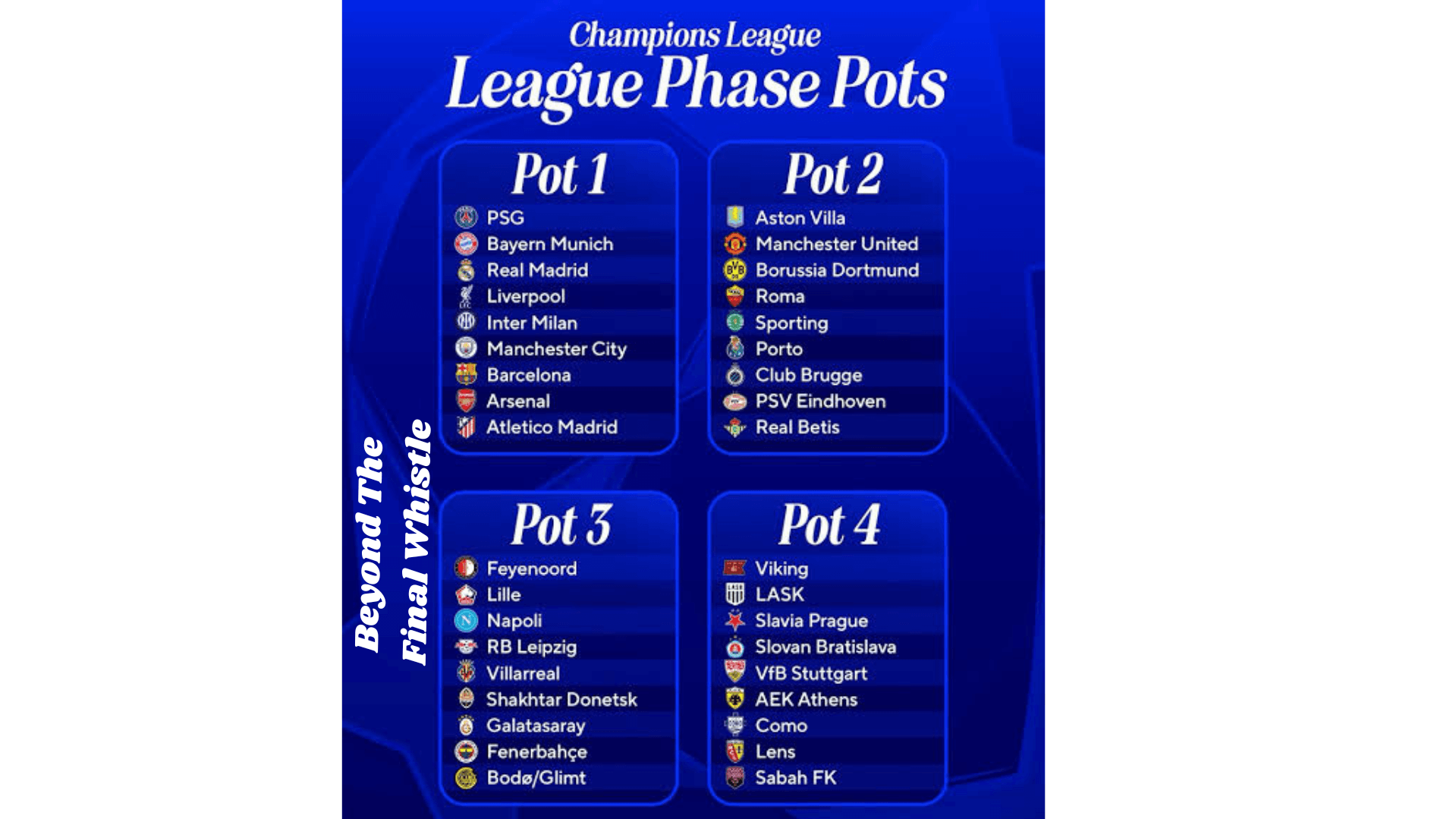
Paris Saint-Germain drew the most concentrated cluster of elite tests: Barcelona at home, then away trips to Manchester City and Aston Villa. City also face Barcelona away, while Villa travel to Barcelona and host both PSG and Borussia Dortmund. That makes the Champions League draw a schedule-strength question, not simply a count of famous names: venue, the full opponent list and the eventual fixture order will all shape route difficulty.
Champions League Draw: PSG’s Route
PSG’s eight league-phase opponents are Barcelona, Roma, Galatasaray and Slovan Bratislava at home, plus Manchester City, Aston Villa, Villarreal and Como away. Luis Enrique’s side, aiming for a third consecutive title after winning the previous two, have heavyweight opposition on both sides of the travel ledger. Their home meeting with five-time European champions Barcelona is a standout, but the English double-header away to City and Villa is the defining scheduling challenge.
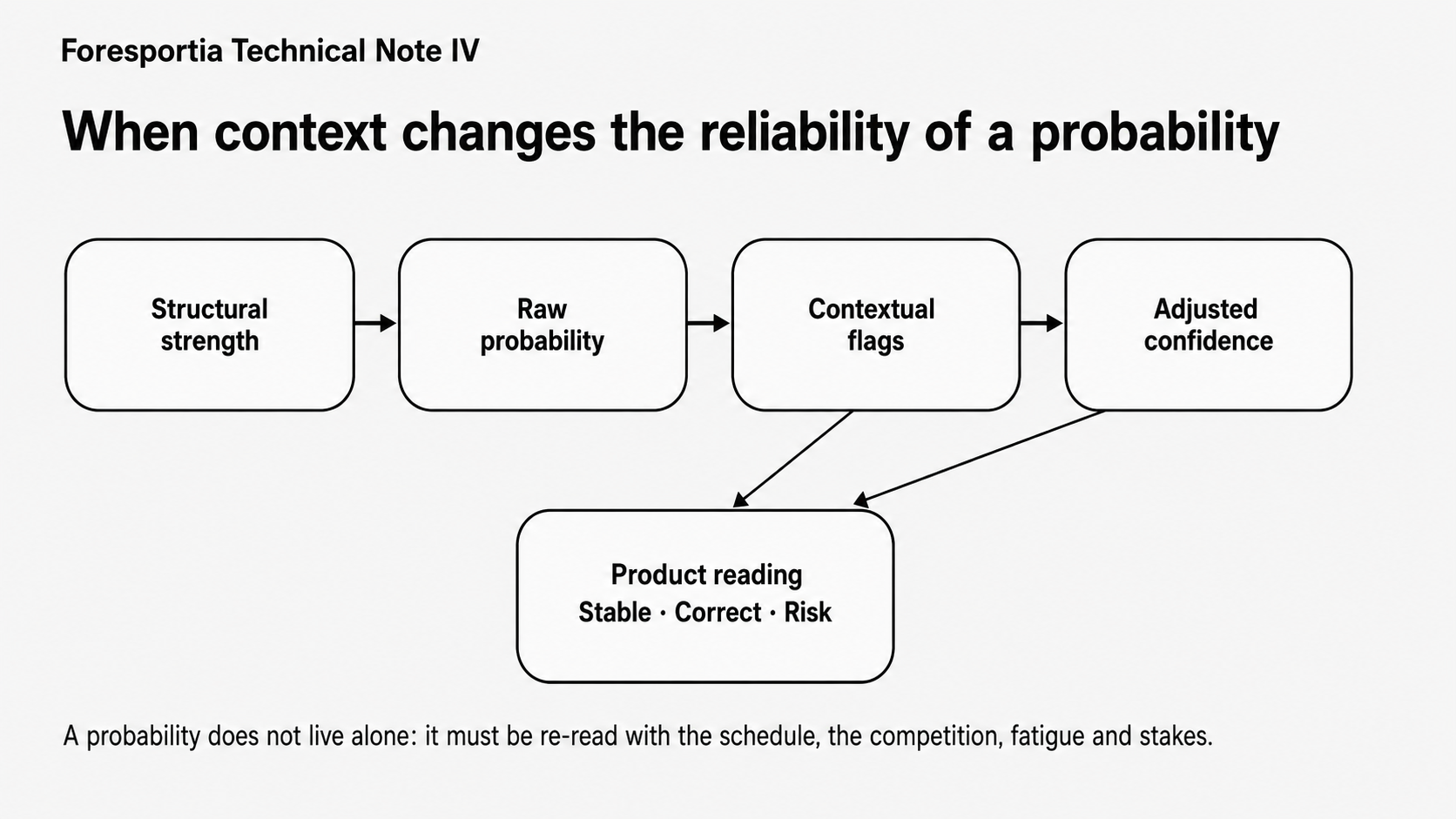
A rating-based model should not treat the fixtures as interchangeable. It would give Barcelona, City and Villa higher opponent-strength estimates than Slovan Bratislava, then apply a home-field adjustment to the Paris meeting with Barcelona and an away penalty to the trips to Manchester and Villa Park. The remaining matches still matter: Roma and Galatasaray add credible opposition at home, while Villarreal and Como make PSG’s away slate more than a three-game test of reputation.
For PSG, the analysis should also distinguish season-long strength from a single draw-day estimate. The model can update opponent ratings as results accumulate, while Luis Enrique’s side’s own rating changes with performance. A difficult stretch of away fixtures would matter more if it arrives amid poor form or limited recovery time; the draw alone does not establish that sequence.
Manchester City’s Two Away Tests
Manchester City host PSG, Sporting, Napoli and AEK Athens, and travel to Barcelona, Porto, RB Leipzig and Lens. Enzo Maresca’s team therefore have two particularly high-profile away assignments: Barcelona and Leipzig. Their home game against PSG is another top-end fixture, while Napoli’s visit brings a reunion with Kevin De Bruyne, who joined the Italian club after leaving City.
The model’s route comparison should separate City’s opponent quality from match location. Hosting PSG gives City a venue advantage in one of the league phase’s strongest pairings; visiting Barcelona removes that advantage against a five-time winner. The other six opponents create a broader range of ratings, so a single “tough draw” label would obscure where the difficulty sits.
Rodri’s move to Barcelona in a reported £65 million deal adds a personal storyline to City’s trip, but it should not influence a team-strength score by itself. A model should respond to measurable team performance and confirmed availability, not narrative. City’s schedule difficulty may also change once the exact dates and order are released: a demanding away match followed by a short turnaround is not equivalent to the same games separated by a longer recovery window.
Aston Villa’s Demanding Away Slate
Aston Villa host PSG, Dortmund, Fenerbahce and Viking, and travel to Barcelona, Club Brugge, Galatasaray and Slavia Prague. Unai Emery’s side return to the competition after a season away and, as Europa League winners, will have home tests against both PSG and Dortmund. Their trip to Barcelona is the clearest high-strength away fixture, with Galatasaray another difficult venue in a schedule that spans four countries.
Compared with City, Villa have fewer obvious elite-level names across the entire list, but their route is not automatically easier. PSG and Dortmund at Villa Park are substantial tests, while four away games mean that venue adjustment matters repeatedly. A schedule-strength model should rate each opponent separately, then combine those ratings with home and away context rather than judging the draw by the toughest two pairings alone.
How the Route Rating Changes
All 36 clubs play eight different opponents, four at home and four away. The first league-phase matches run from September 8 to 10, with the final round on January 27, 2027; the exact fixture schedule is due after the draw. The top eight advance directly to the round of 16, places nine through 24 enter a two-legged play-off, and teams finishing 25th or lower are eliminated.
A useful route analysis begins with opponent ratings, adds home-and-away context, and then updates as fixture dates, team form and availability become clearer. It should not overreact to club reputation or declare a route decisive before a ball is kicked. PSG have the most concentrated elite opposition; City’s route pivots on trips to Barcelona and Leipzig; Villa face a demanding blend of heavyweight home games and difficult travel. That is the practical starting point for comparing their Champions League paths.
Research references
These sources were checked while preparing this ScorePoint AI analysis.